Chelsea
Morgan
UX/UI
Designer
With a background in healthcare, I approach design differently. My time working as a Speech Pathologist taught me to understand how people communicate and overcome barriers, and that empathy shapes everything I create. I use that insight to build digital experiences that feel intuitive and human-centered.
Based in NYC
My
Work
My
Work
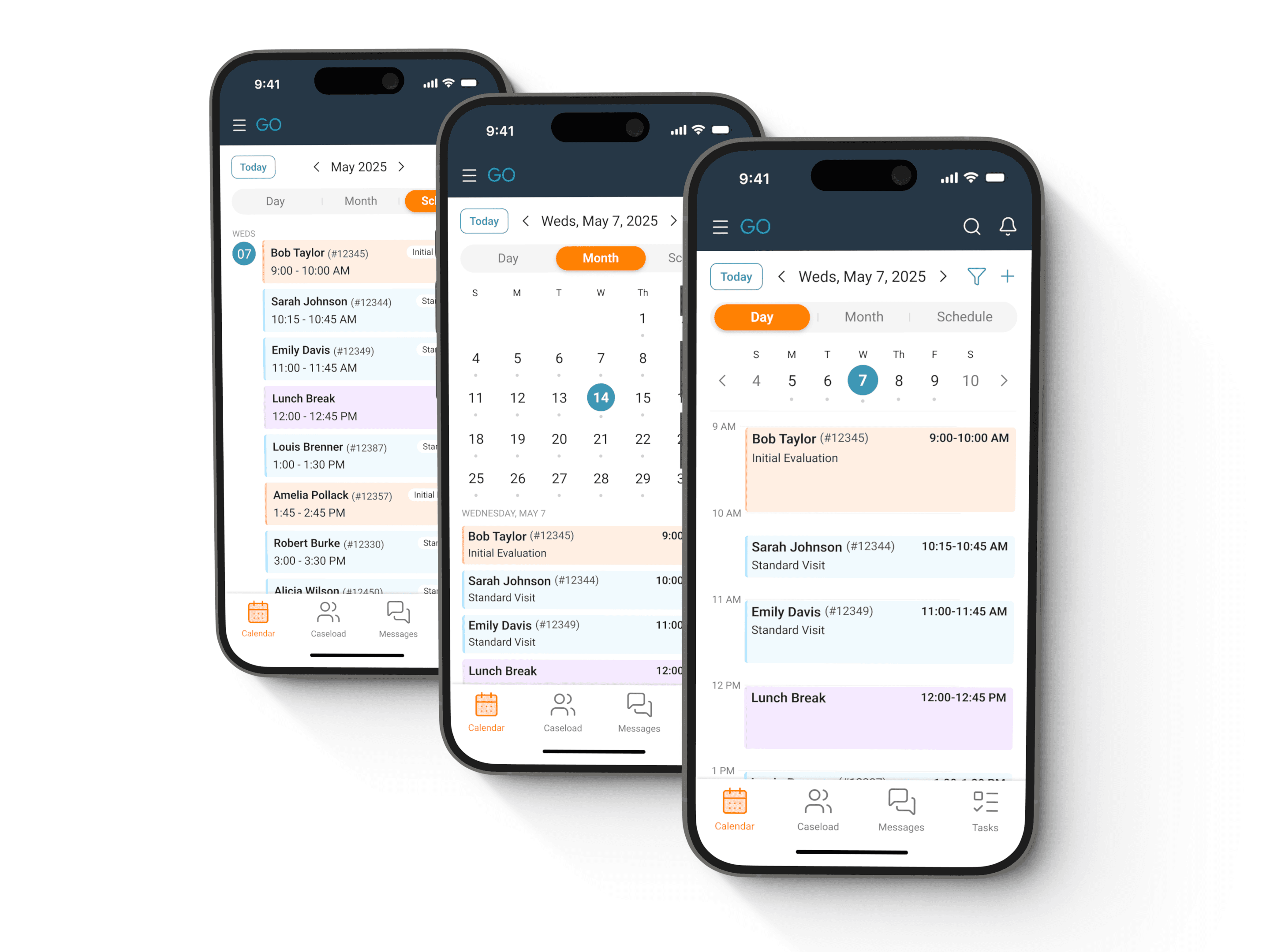
View Project
UX STRATEGY, UX RESEARCH, UI DESIGN
InsightGo Redesign
A mobile-first redesign of a home-care EMR scheduling experience.
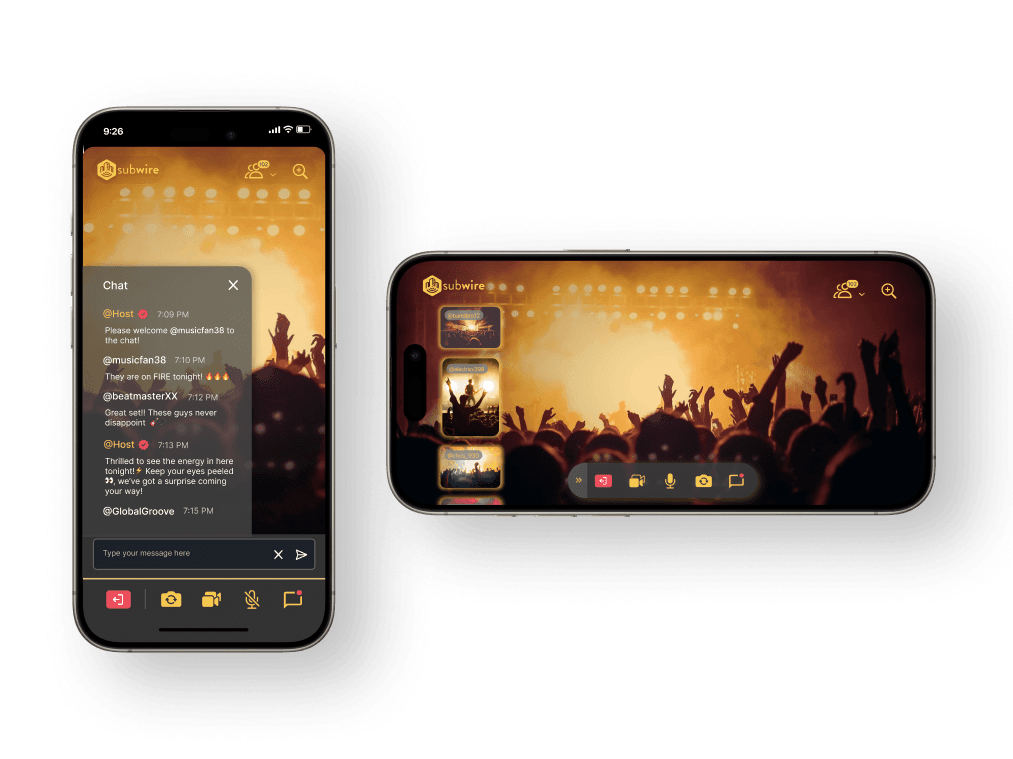
View Project
UX STRATEGY, UI DESIGN
Subwire
A live event platform to watch, capture, and share moments in real time.
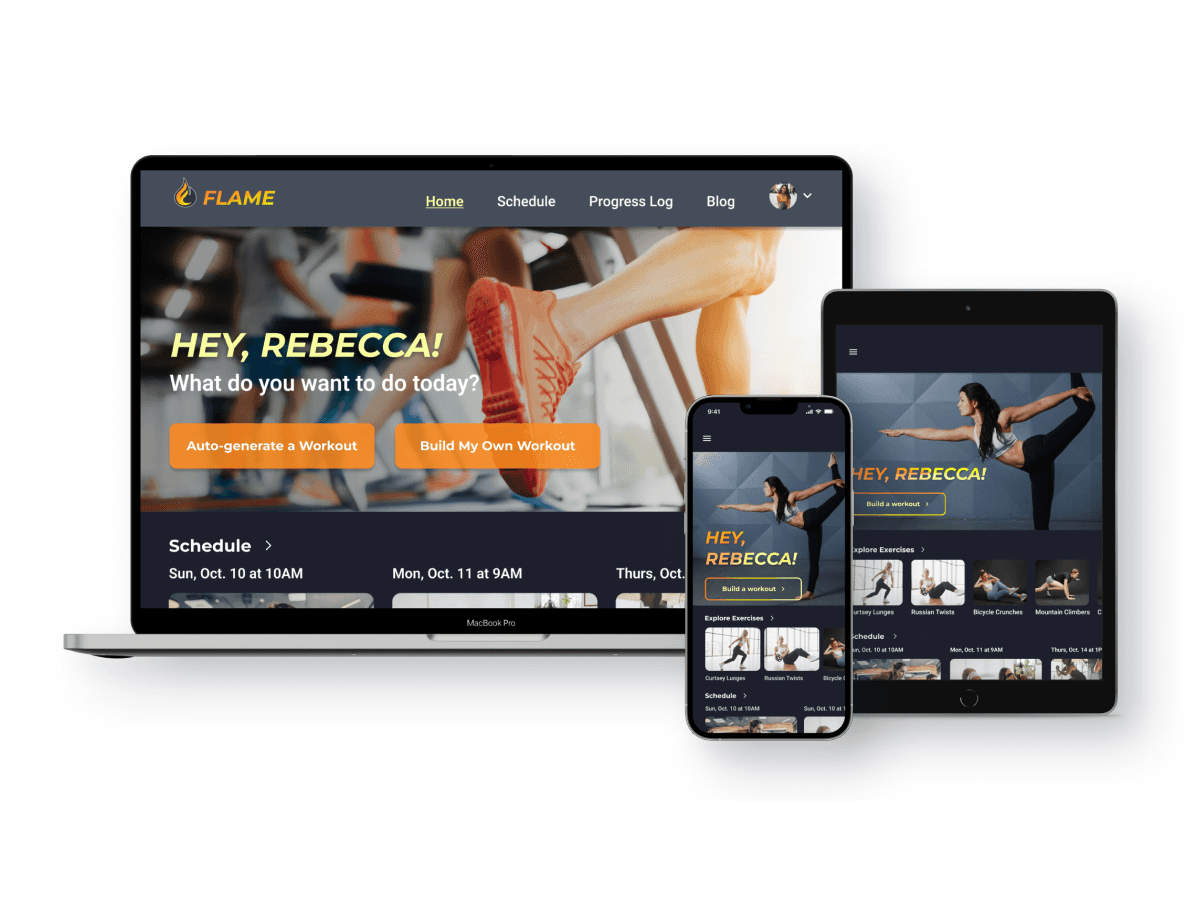
View Project
UI DESIGN, BRANDING
Flame
A custom fitness platform designed for every body, at every level.
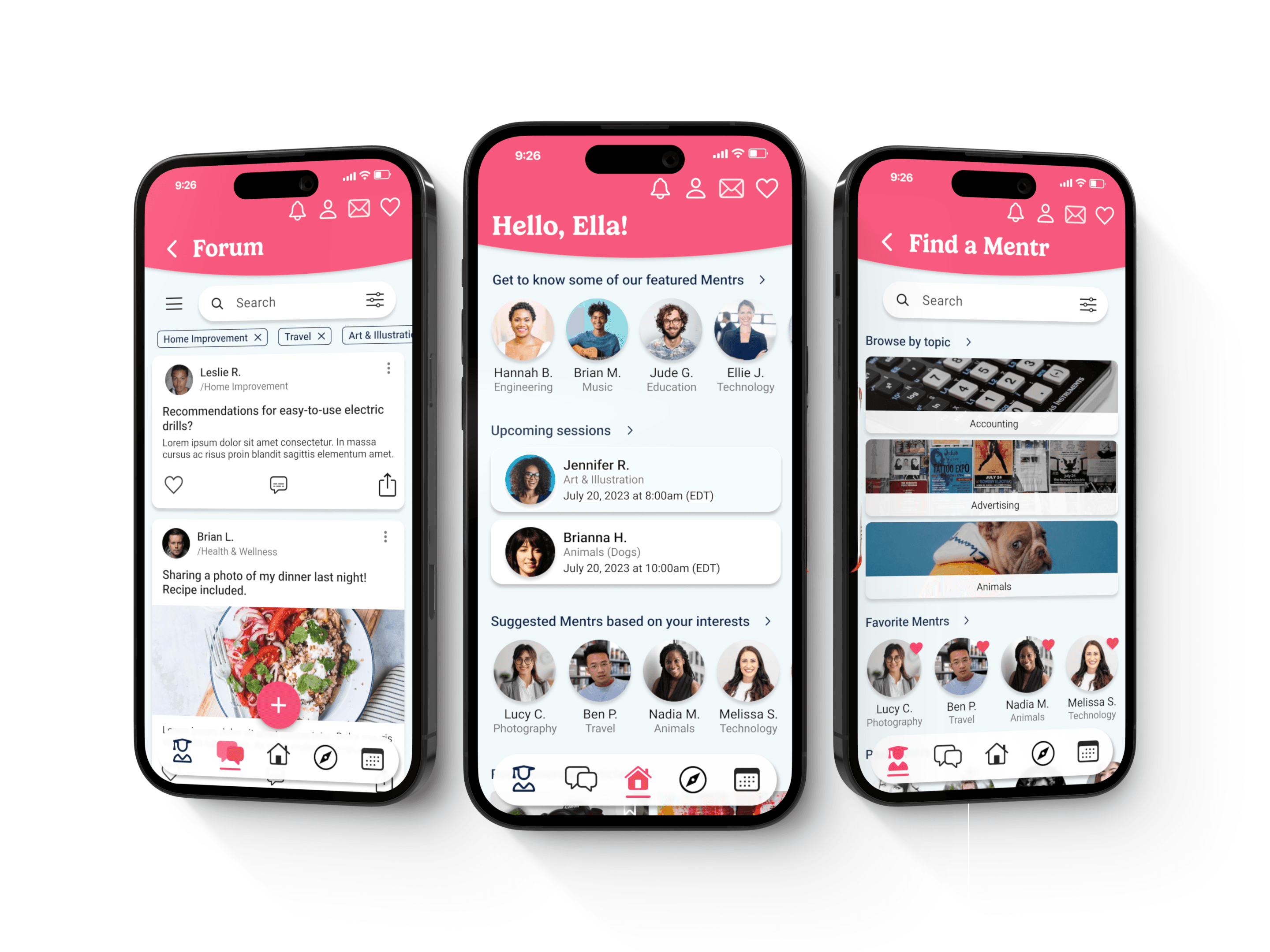
View Project
UX/UI DESIGN, UX RESEARCH, DESIGN SYSTEMS
Mentr
A mobile-first platform for personalized mentorship in any subject.
About
Me

Hi! I'm Chelsea, a UX/UI designer based in NYC. My journey into design looks a bit different from most designers'.
Before I ever opened Figma, I was working in the healthcare field as a Speech-Language Pathologist. In that role, I was surrounded by tools built for healthcare — some designed for clinicians, some designed for patients, but all lacking in basic usability. The clinical side, with its clunky EMR systems and billing software, showed me how poor design decreases efficiency of care, impacts patient outcomes, and contributes to burnout. The patient side made the usability issue even more apparent. My patients with physical, cognitive, and age-related challenges were presented with apps and digital tools meant to support their recovery and independence, yet the design of those tools often created more difficulty and frustration. There's a particular irony in an accessibility tool that isn't accessible.
That experience led me to UX design, and it's what continues to shape how I approach it. The skills that made me a good clinician — active listening, close observation, empathy — translate seamlessly into building products that work for real people. I care deeply about accessible, inclusive design, and given my background, I'm especially drawn to products that exist at the intersection of healthcare and technology, a space that deserves more careful, empathetic design than it usually gets.

Skills & Tools
RESEARCH
RESEARCH
User Interviews
User Interviews
Usability testing
Usability testing
Card sorting
Card sorting
Competitor analysis
Competitor analysis
Competitor analysis
Competitor analysis
Journey mapping
Journey mapping
Journey mapping
Journey mapping
User personas
User personas
User personas
User personas
A/B testing
A/B testing
A/B testing
A/B testing
Affinity mapping
Affinity mapping
Affinity mapping
Affinity mapping
DESIGN
Wireframing
Wireframing
Prototyping
Prototyping
UI design
UI design
Visual design
Visual design
Design systems
Design systems
Accessibility
Accessibility
Animation
Animation
Style guides
Style guides
User flows
User flows
User stories
User stories
Information architecture
Information architecture
Responsive design
Responsive design
TOOLS
Figma
Figma
Adobe Photoshop
Adobe Photoshop
Adobe Illustrator
Adobe Illustrator
Adobe Premiere Pro
Adobe Premiere Pro
Framer
Framer
Balsamiq
Balsamiq
Miro
Miro
v0
v0
Claude Code
Claude Code
Cursor
Cursor
Lovable
Lovable
HTML
HTML
CSS
CSS
About
Me

Hi! I'm Chelsea, a UX/UI designer based in NYC. My journey into design looks a bit different from most designers'.
Before I ever opened Figma, I was working in the healthcare field as a Speech-Language Pathologist. In that role, I was surrounded by tools built for healthcare — some designed for clinicians, some designed for patients, but all lacking in basic usability. The clinical side, with its clunky EMR systems and billing software, showed me how poor design decreases efficiency of care, impacts patient outcomes, and contributes to burnout. The patient side made the usability issue even more apparent. My patients with physical, cognitive, and age-related challenges were presented with apps and digital tools meant to support their recovery and independence, yet the design of those tools often created more difficulty and frustration. There's a particular irony in an accessibility tool that isn't accessible.
That experience led me to UX design, and it's what continues to shape how I approach it. The skills that made me a good clinician — active listening, close observation, empathy — translate seamlessly into building products that work for real people. I care deeply about accessible, inclusive design, and given my background, I'm especially drawn to products that exist at the intersection of healthcare and technology, a space that deserves more careful, empathetic design than it usually gets.
Skills & Tools
RESEARCH
User Interviews
Usability testing
Card sorting
Competitor analysis
Journey mapping
User personas
A/B testing
Affinity mapping
DESIGN
Wireframing
Prototyping
UI design
Visual design
Design systems
Accessibility
Animation
Style guides
User flows
User stories
Information architecture
Responsive design
TOOLS
Figma
Figma
Adobe Photoshop
Adobe Photoshop
Adobe Illustrator
Adobe Illustrator
Adobe Premiere Pro
Adobe Premiere Pro
Framer
Framer
Balsamiq
Balsamiq
Miro
Miro
v0
v0
Claude Code
Claude Code
Cursor
Cursor
Lovable
Lovable
HTML
HTML
CSS
CSS